
Map The Impact
-
United States of America
-
Alabama
-
Alaska
-
Arizona
-
Arkansas
-
California
- Overview
- Bakersfield Metro Area
- Fresno Metro Area
- Inland Empire Metro Area
- Los Angeles Metro Area
- Oxnard Metro Area
- Sacramento Metro Area
- San Diego Metro Area
- San Francisco Metro Area
- San Jose Metro Area
- Stockton Metro Area
- California, District 1
- California, District 2
- California, District 3
- California, District 4
- California, District 5
- California, District 6
- California, District 7
- California, District 8
- California, District 9
- California, District 10
- California, District 11
- California, District 12
- California, District 13
- California, District 14
- California, District 15
- California, District 16
- California, District 17
- California, District 18
- California, District 19
- California, District 20
- California, District 21
- California, District 22
- California, District 23
- California, District 24
- California, District 25
- California, District 26
- California, District 27
- California, District 28
- California, District 29
- California, District 30
- California, District 31
- California, District 32
- California, District 33
- California, District 34
- California, District 35
- California, District 36
- California, District 37
- California, District 38
- California, District 39
- California, District 40
- California, District 41
- California, District 42
- California, District 43
- California, District 44
- California, District 45
- California, District 46
- California, District 47
- California, District 48
- California, District 49
- California, District 50
- California, District 51
- California, District 52
-
Colorado
-
Connecticut
-
Delaware
-
District of Columbia
-
Florida
- Overview
- Cape Coral Metro Area
- Daytona Beach Metro Area
- Jacksonville Metro Area
- Lakeland Metro Area
- Miami Metro Area
- North Port Metro Area
- Orlando Metro Area
- Palm Bay Metro Area
- Tampa Metro Area
- Florida, District 3
- Florida, District 4
- Florida, District 5
- Florida, District 6
- Florida, District 7
- Florida, District 8
- Florida, District 9
- Florida, District 10
- Florida, District 11
- Florida, District 12
- Florida, District 13
- Florida, District 14
- Florida, District 15
- Florida, District 16
- Florida, District 17
- Florida, District 18
- Florida, District 19
- Florida, District 20
- Florida, District 21
- Florida, District 22
- Florida, District 23
- Florida, District 24
- Florida, District 25
- Florida, District 26
- Florida, District 27
- Florida, District 28
-
Georgia
-
Hawaii
-
Idaho
-
Illinois
-
Indiana
-
Iowa
-
Kansas
-
Kentucky
-
Louisiana
-
Maine
-
Maryland
-
Massachusetts
-
Michigan
-
Minnesota
-
Mississippi
-
Missouri
-
Montana
-
Nebraska
-
Nevada
-
New Hampshire
-
New Jersey
-
New Mexico
-
New York
- Overview
- Albany Metro Area
- Buffalo Metro Area
- New York Metro Area
- Poughkeepsie Metro Area
- Rochester Metro Area
- Syracuse Metro Area
- New York, District 1
- New York, District 2
- New York, District 3
- New York, District 4
- New York, District 5
- New York, District 6
- New York, District 7
- New York, District 8
- New York, District 9
- New York, District 10
- New York, District 11
- New York, District 12
- New York, District 13
- New York, District 14
- New York, District 15
- New York, District 16
- New York, District 17
- New York, District 18
- New York, District 20
- New York, District 22
- New York, District 26
-
North Carolina
- Overview
- Charlotte Metro Area
- Durham Metro Area
- Greensboro Metro Area
- Raleigh Metro Area
- Winston-Salem Metro Area
- North Carolina, District 2
- North Carolina, District 4
- North Carolina, District 6
- North Carolina, District 8
- North Carolina, District 9
- North Carolina, District 10
- North Carolina, District 12
- North Carolina, District 13
- North Carolina, District 14
-
North Dakota
-
Ohio
-
Oklahoma
-
Oregon
-
Pennsylvania
- Overview
- Allentown Metro Area
- Harrisburg Metro Area
- Philadelphia Metro Area
- Pittsburgh Metro Area
- Scranton Metro Area
- Pennsylvania, District 1
- Pennsylvania, District 2
- Pennsylvania, District 3
- Pennsylvania, District 4
- Pennsylvania, District 5
- Pennsylvania, District 6
- Pennsylvania, District 7
- Pennsylvania, District 8
- Pennsylvania, District 10
-
Rhode Island
-
South Carolina
-
South Dakota
-
Tennessee
-
Texas
- Overview
- Austin Metro Area
- Dallas-Fort Worth Metro Area
- El Paso Metro Area
- Houston Metro Area
- McAllen Metro Area
- San Antonio Metro Area
- Texas, District 2
- Texas, District 3
- Texas, District 4
- Texas, District 5
- Texas, District 6
- Texas, District 7
- Texas, District 8
- Texas, District 9
- Texas, District 10
- Texas, District 11
- Texas, District 12
- Texas, District 13
- Texas, District 14
- Texas, District 15
- Texas, District 16
- Texas, District 17
- Texas, District 18
- Texas, District 20
- Texas, District 21
- Texas, District 22
- Texas, District 23
- Texas, District 24
- Texas, District 25
- Texas, District 26
- Texas, District 27
- Texas, District 28
- Texas, District 29
- Texas, District 30
- Texas, District 31
- Texas, District 32
- Texas, District 33
- Texas, District 34
- Texas, District 35
- Texas, District 36
- Texas, District 37
- Texas, District 38
-
Utah
-
Vermont
-
Virginia
-
Washington
-
West Virginia
-
Wisconsin
-
Wyoming
Immigrants in
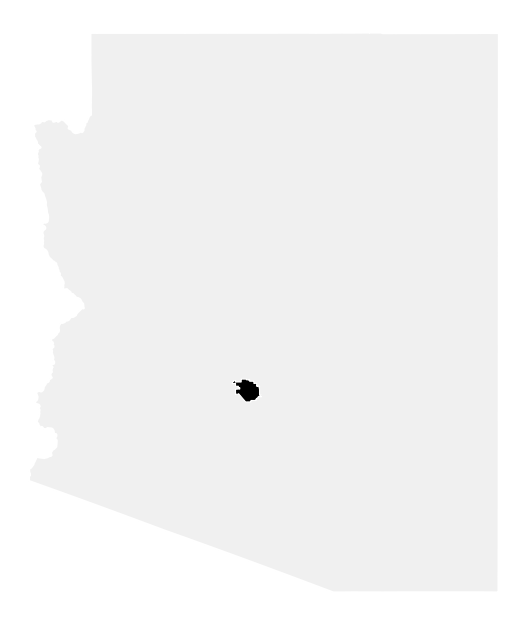
Arizona, District 3
Overview
Immigrant tax contributions
Demographics
In the United States, immigrants are more likely to be working-age than their U.S.-born counterparts. This means they are more likely to be active in the labor force, allowing them to contribute to the economy not only as consumers but also as taxpayers, helping fund social services and programs like Medicare and Social Security.
| Age Group | Foreign-Born Population | U.S.-Born Population |
|---|---|---|
| 0-24 | ||
| 25-64 | ||
| 65+ |
Entrepreneurship
It is hard to overstate the importance of entrepreneurship since new businesses are the main driver of job growth in the United States. Immigrants play a particularly important role in this—founding businesses at far higher rates than the U.S. population overall. Today, millions of American workers are employed at immigrant-founded and immigrant-owned companies.
TAXES & SPENDING POWER
Immigrant households contribute hundreds of billions of dollars in federal, state, and local taxes and hold a tremendous amount of spending power. This gives them significant economic clout, helping support local communities as consumers and taxpayers. Like all residents of the United States, regardless of where they were born, immigrants make use of public services like education, healthcare, and public safety. Even with these costs, however, immigrants’ economic contributions far outweigh the cost of additional public services they incur.
Immigrant household income
Total spending power
| State & Local Taxes Paid | |
| Federal Taxes Paid | |
| Total Taxes Paid |
Workforce
The growth in the immigrant population has helped to strengthen America’s labor force. As baby boomers retire, younger immigrants are filling crucial gaps in the labor market. Nationally, immigrants are more likely to hold an advanced degree than the U.S.-born. They are also more likely to have less than a high school education. As such, they are able to fill critical shortages at both ends of the skill spectrum, from high-tech positions to agriculture, hospitality, and service jobs.
| Education Level | Foreign-Born Population | U.S.-Born Population |
|---|---|---|
| Less Than High School | ||
| High School & Some College | ||
| Bachelor’s Degree | ||
| Graduate Degree |
TOP INDUSTRIES WITH HIGHEST SHARE OF IMMIGRANT WORKERS
Immigrant share of population:
Top Occupation Groups with Highest Share of Immigrant Workers
Housing
Immigrant families have long played an important role in helping to build housing wealth in the United States. In recent decades, the more than 40 million immigrants in the U.S. collectively increased U.S. housing wealth by trillions of dollars. Much of this was possible because immigrants moved into neighborhoods once in decline, thus helping to revitalize communities and make neighborhoods more attractive to U.S.-born residents.
International Students
International students in the United States contribute tens of billions of dollars to the U.S. economy every year and support a significant number of U.S. jobs through their tuition payments and day-to-day spending. Research has also found that increases in the number of international students at American universities boost innovation and patent creation.
Naturalization & Voting Power
As more immigrants naturalize and become eligible to vote, they continue to gain political power. The number of immigrant voters is only projected to rise in the next decade, and in some states foreign-born voters are already capable of deciding elections.